


about
As If It Were the Island’s Kitchen | shimameshi
At “shimameshi,”
every ingredient carries the story of the sea and sun that shaped it.
Freshly caught fish, vegetables harvested that morning—
prepared in a variety of ways and brought to the table at their very best.
Listening to the intentions of each producer and drawing out the best of every ingredient,
the chef brings a deep understanding of Shodoshima’s land and character to every dish.
Seasoned with the island’s own condiments,
each plate is at its most delicious—that day, that season.
Breakfast
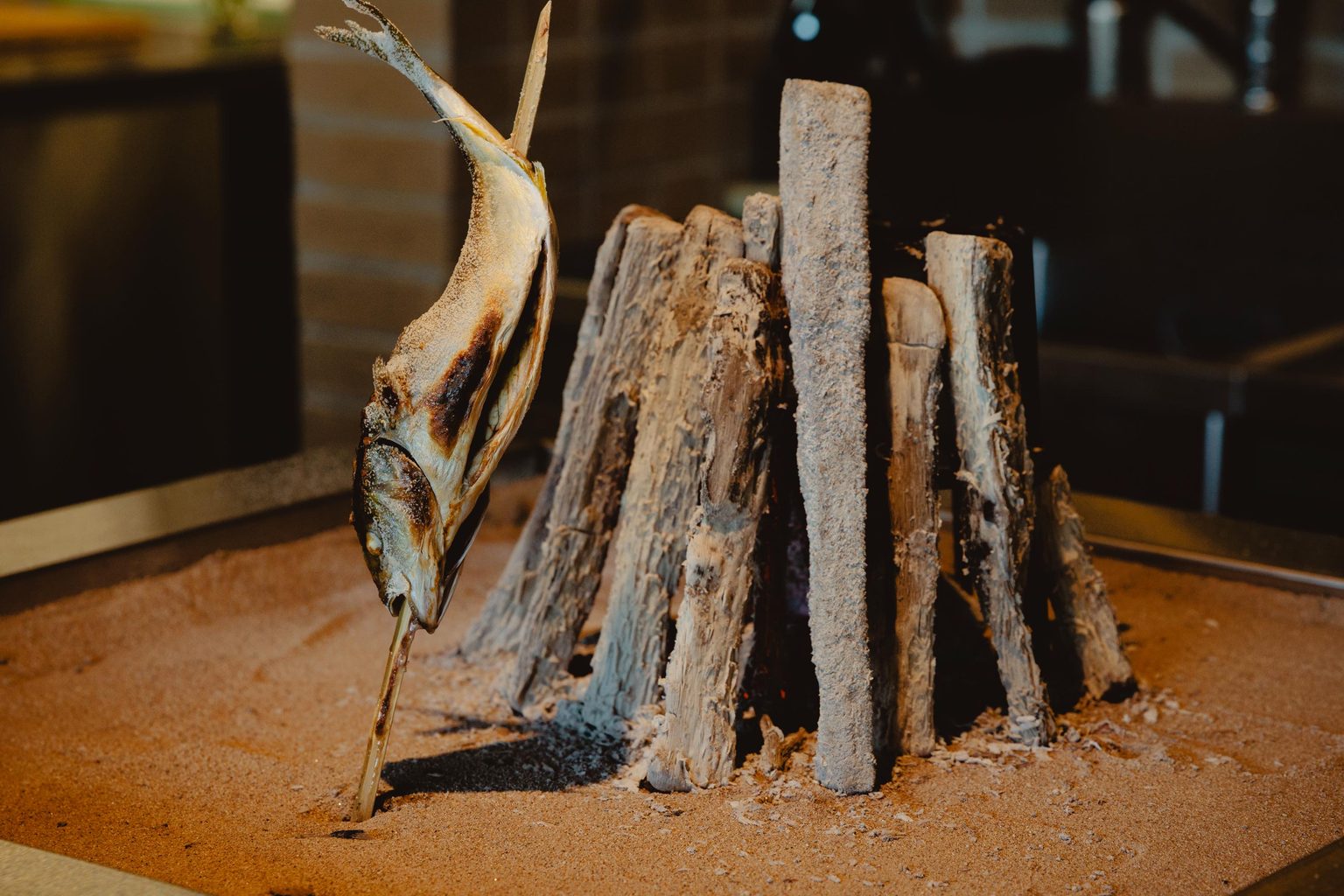
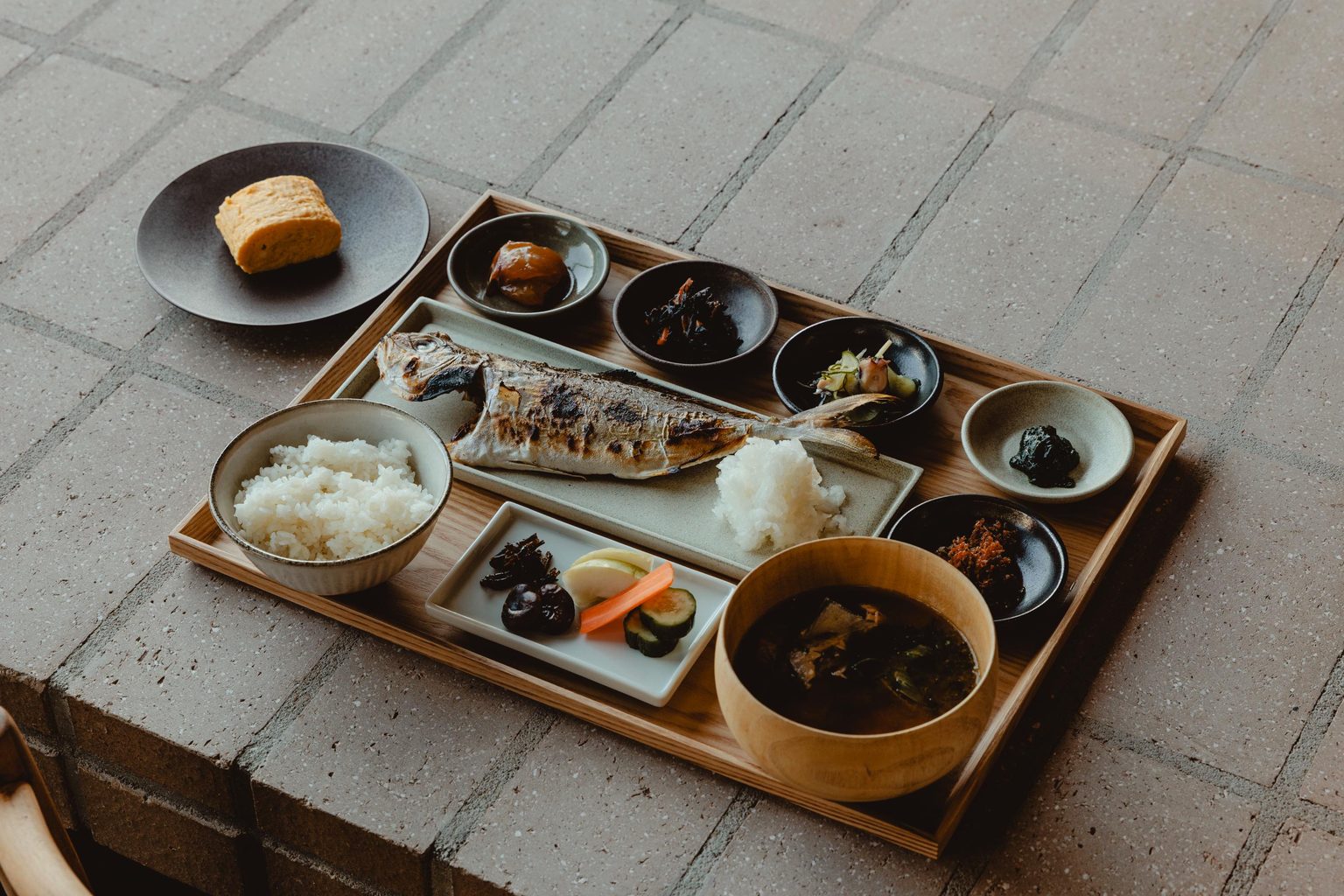
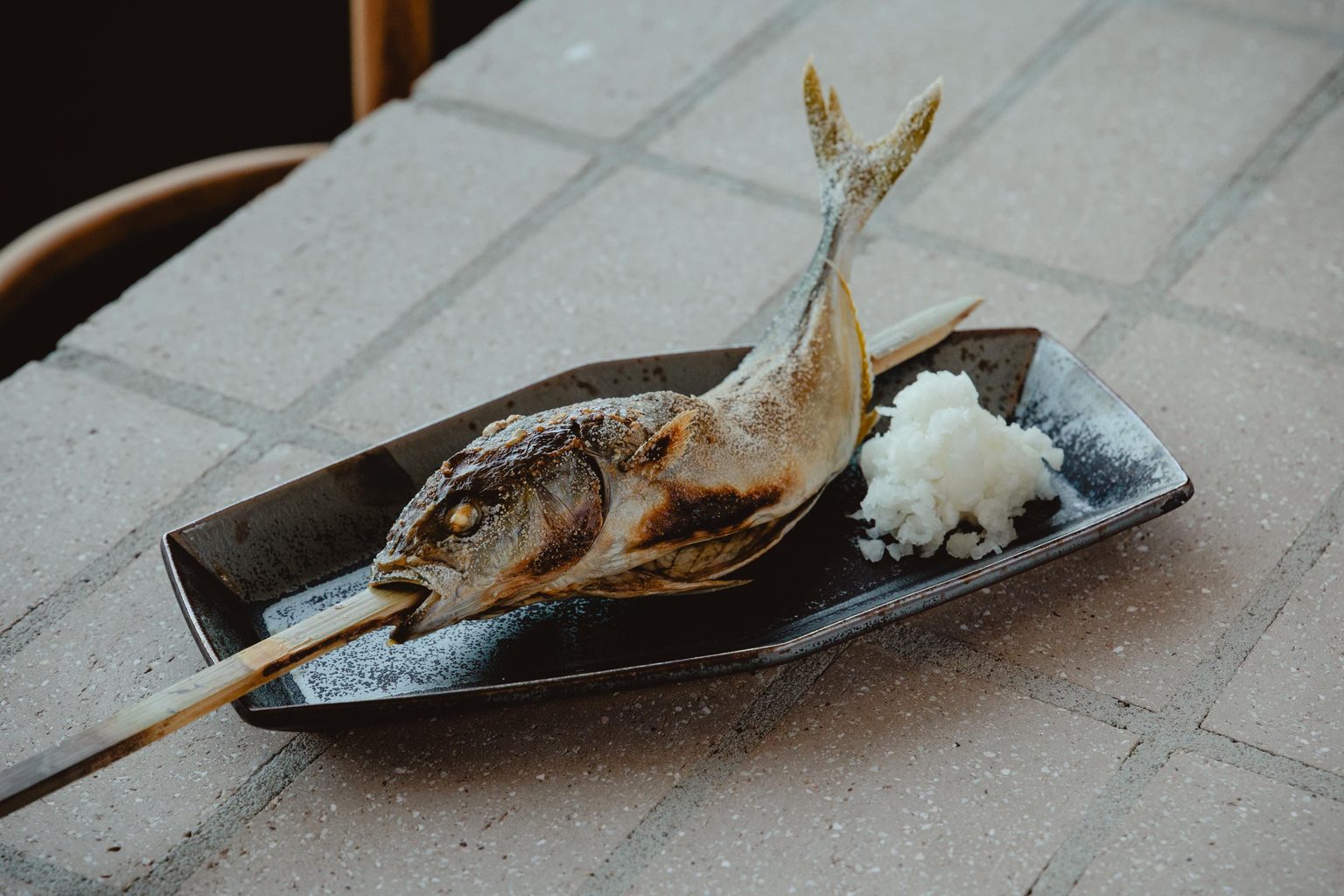
At the center of the meal is overnight-dried fish from the surrounding waters. Around it, a bold fisherman’s broth rich with seafood, and small dishes beloved on the island—hishio pickles, tsukudani (soy-simmered preserves), and more. Everything a fisherman savors every day—the island’s gifts, all gathered on one tray.
Set Meal ¥3,300
Lunch・Dinner
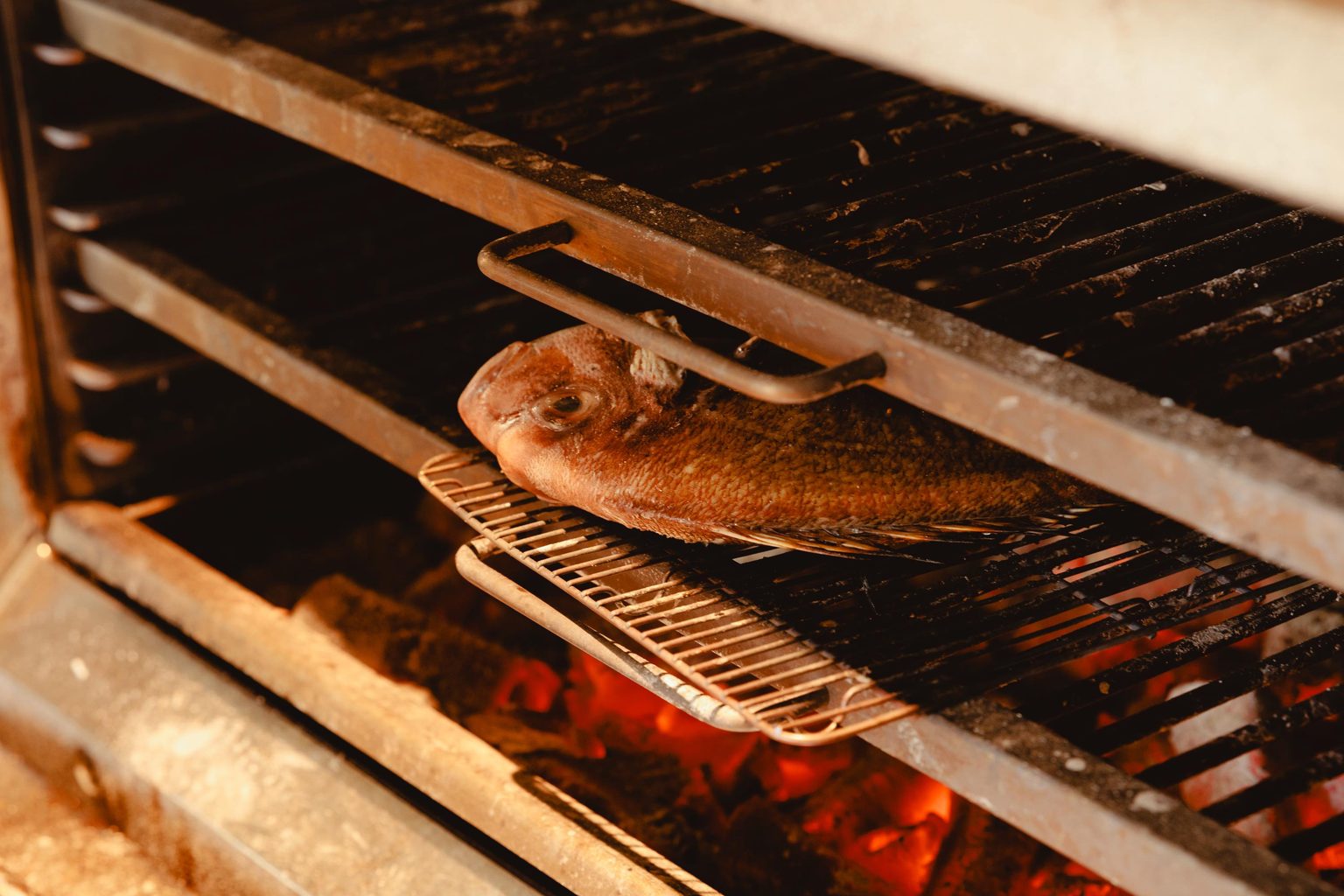
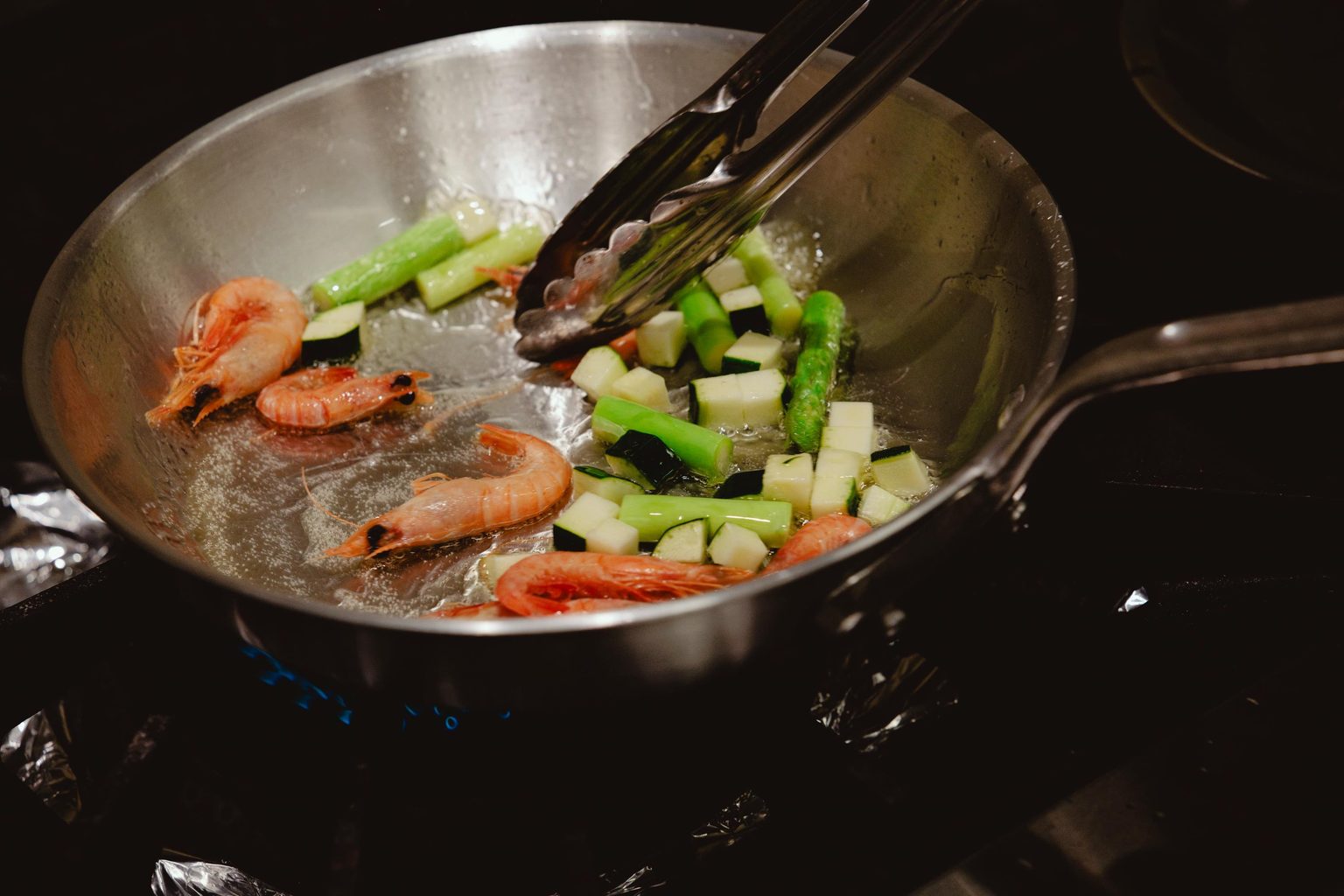
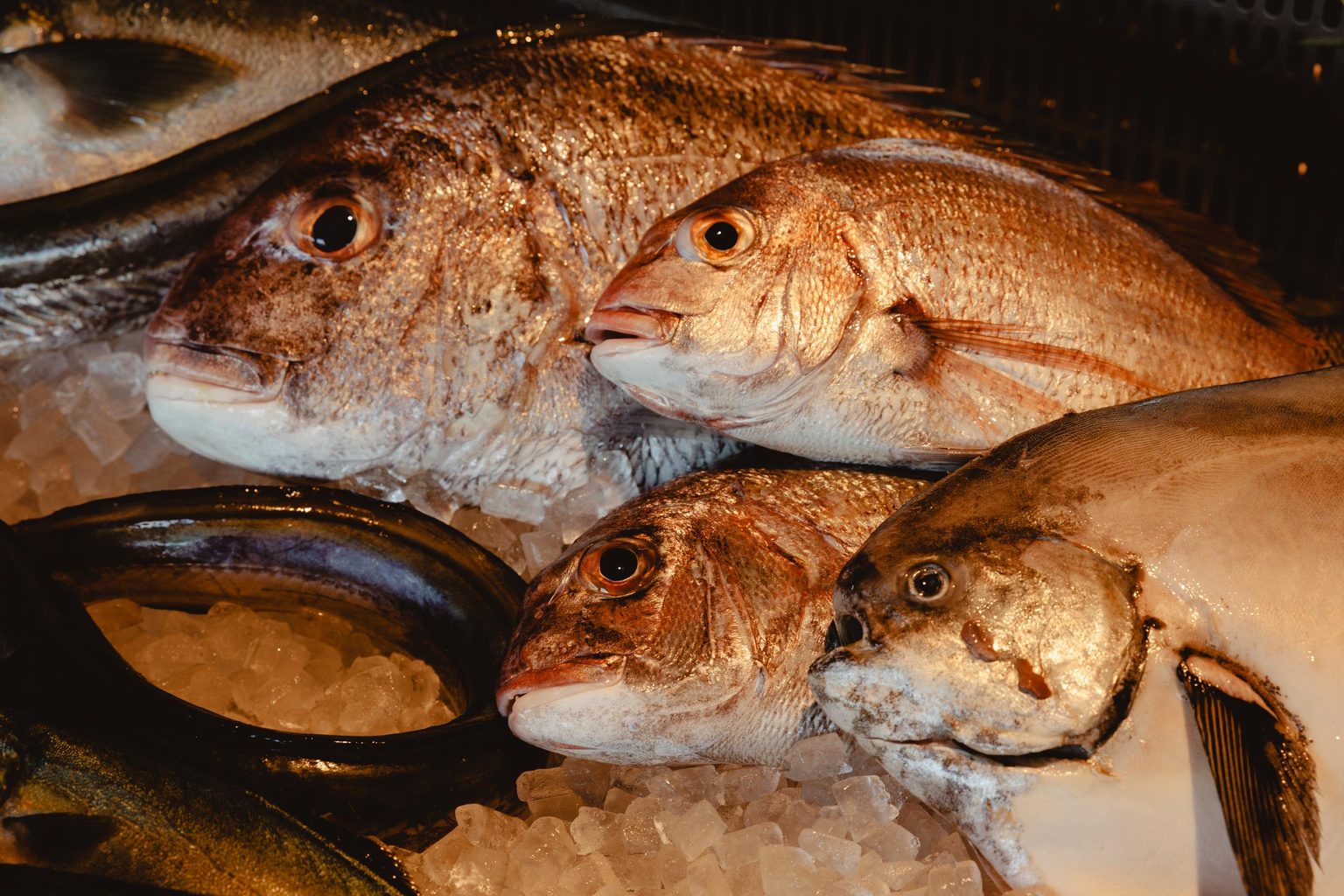
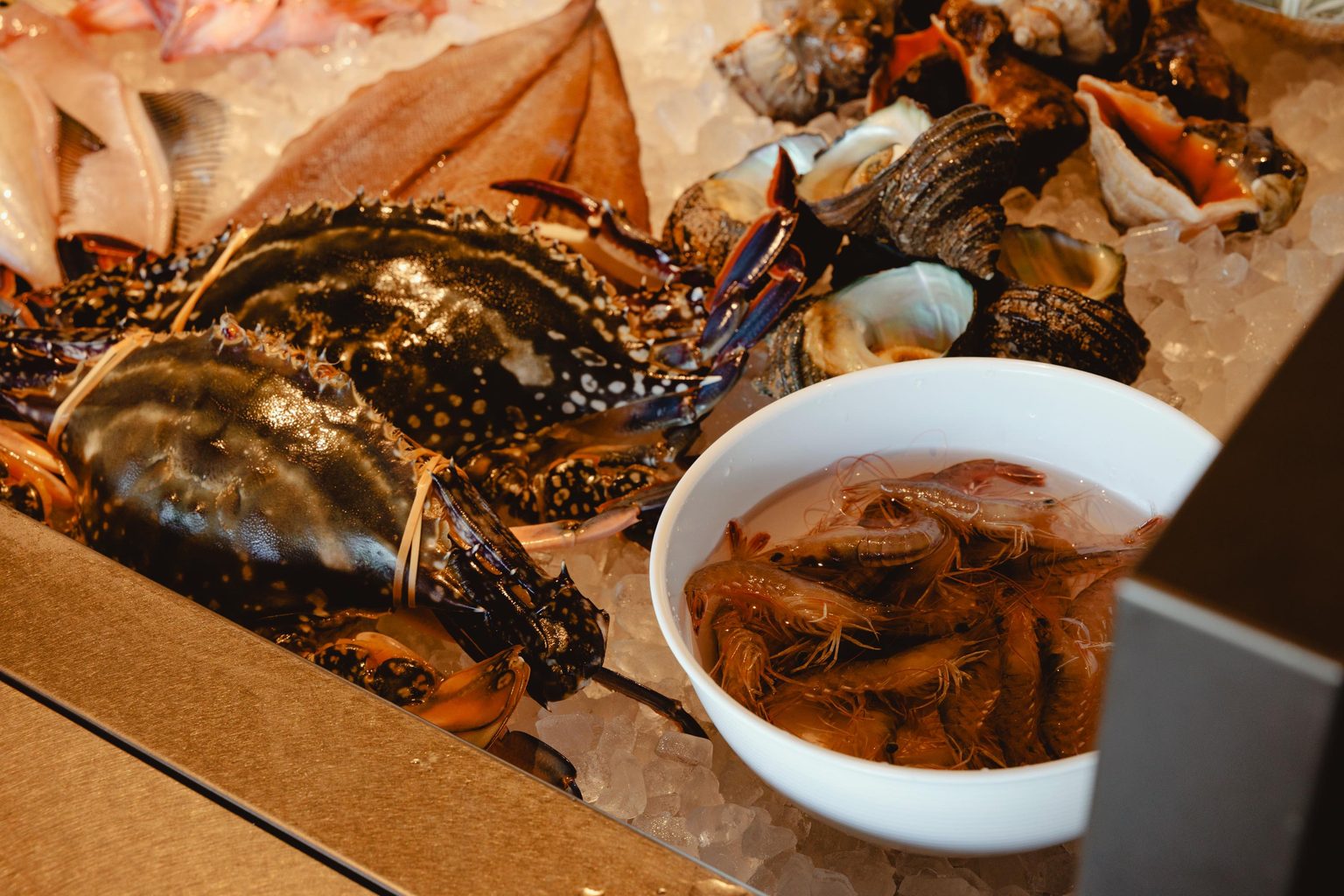
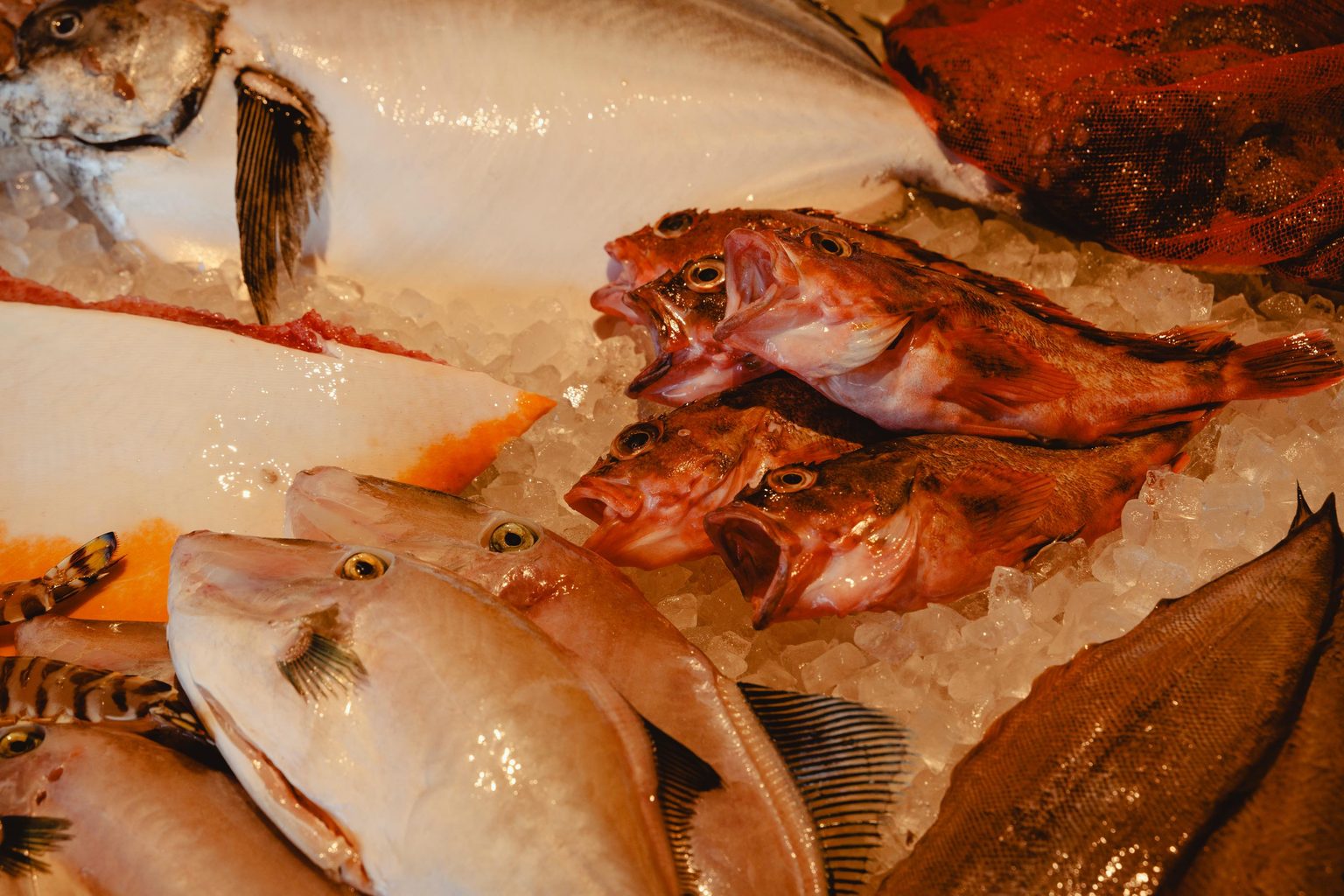
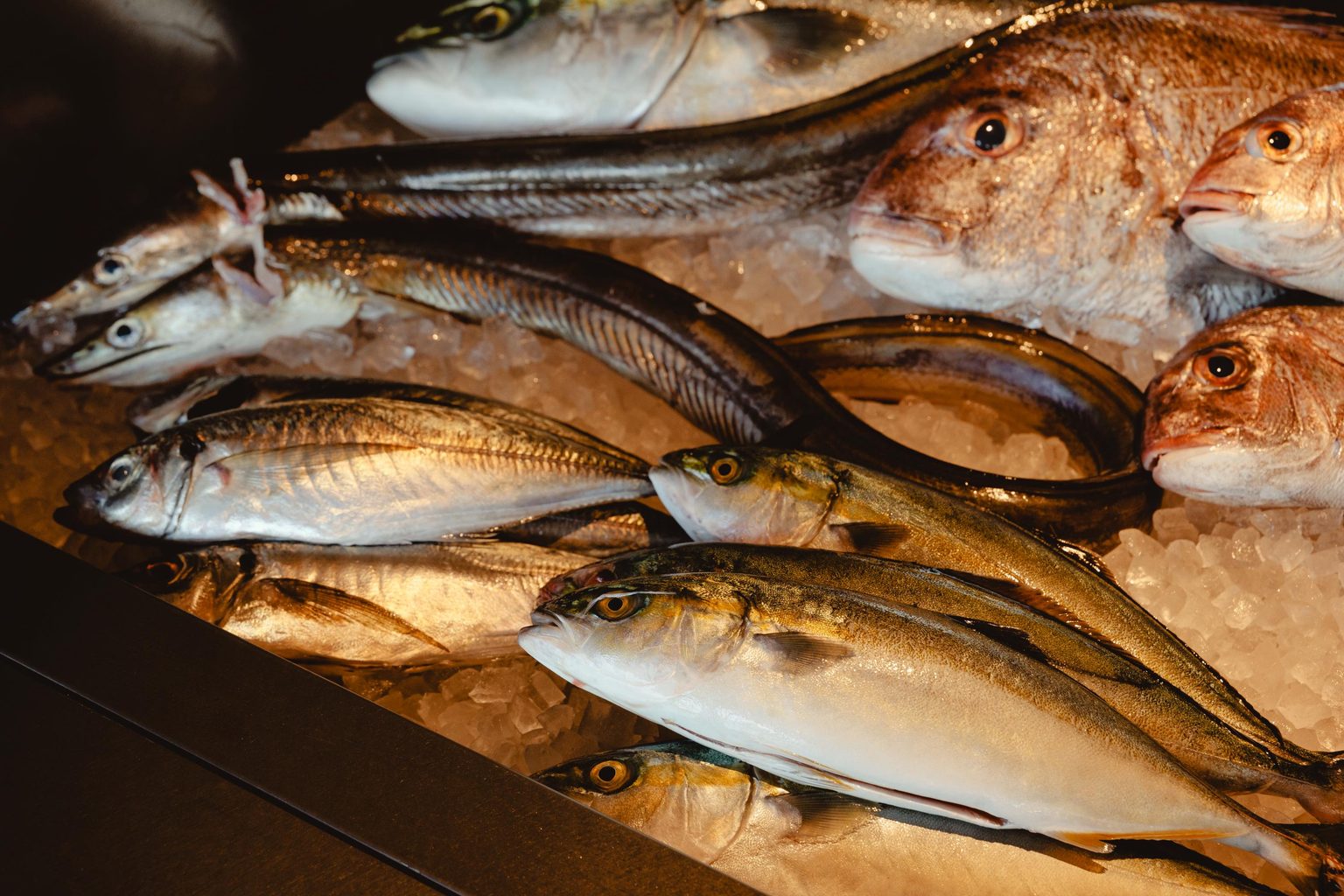
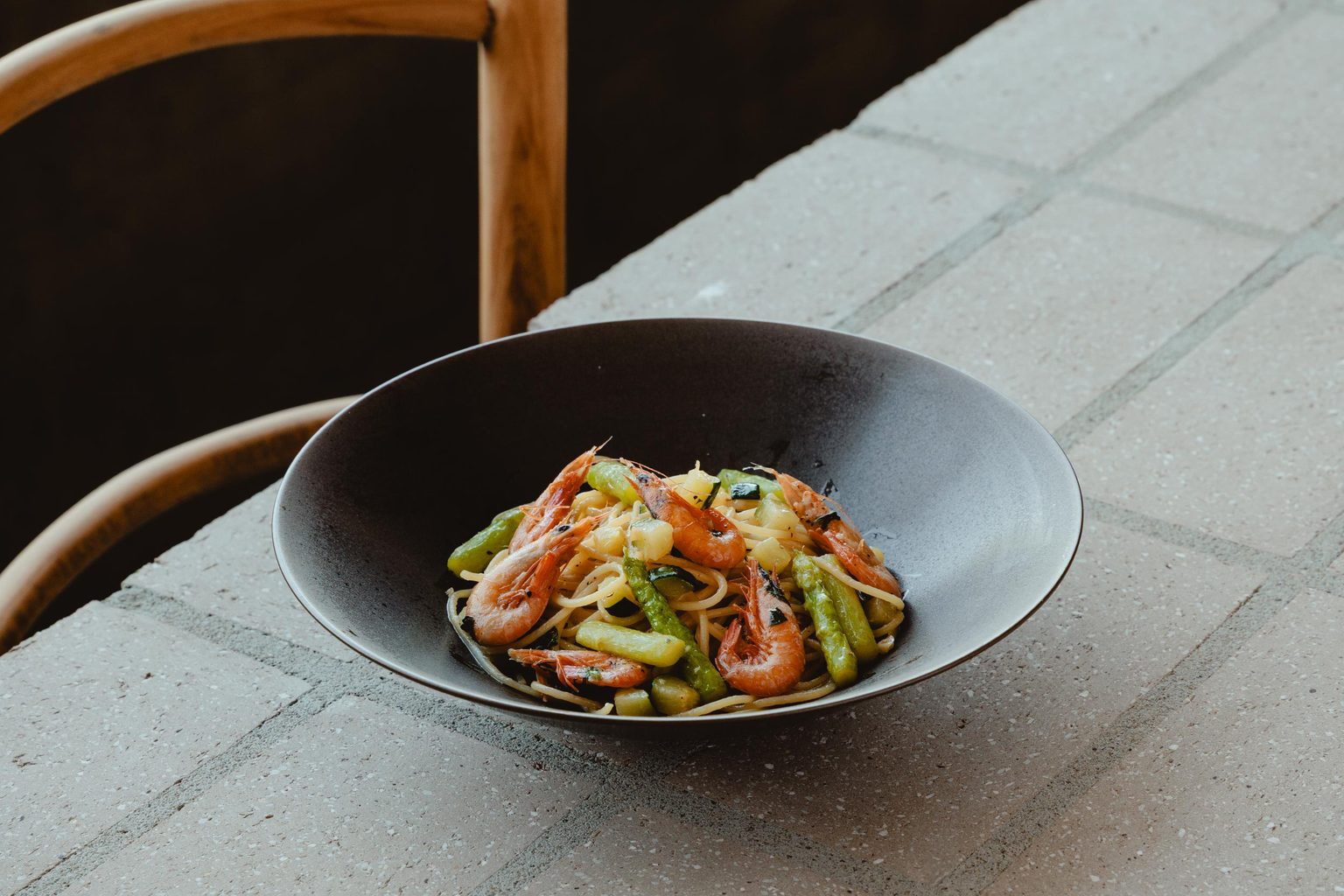
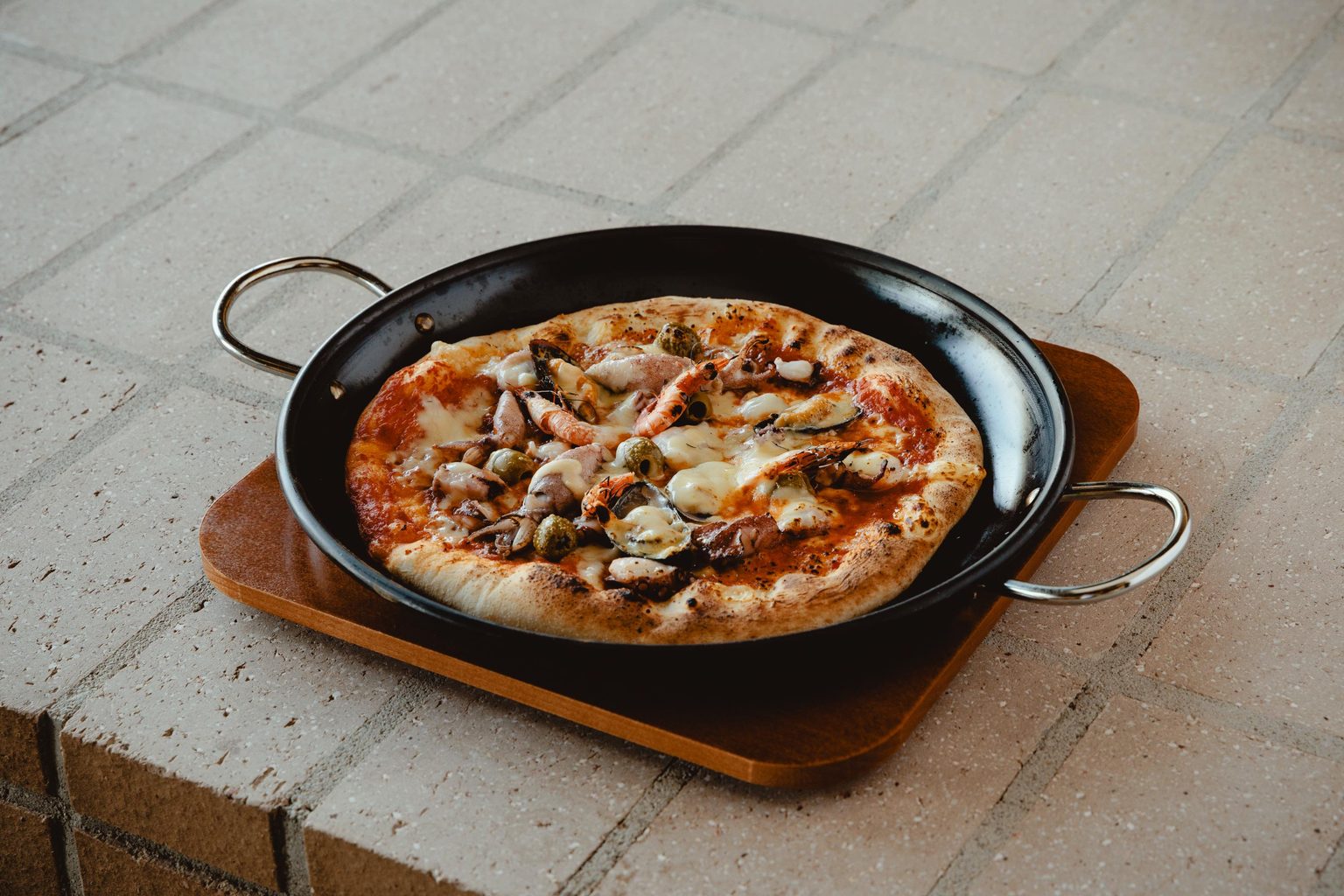
Choose from the fresh ingredients on display, then decide how you would like them prepared—grilled, simmered, fried, steamed, or raw—all in conversation with the chef. This freedom to shape your meal is what makes “shimameshi” unique. Let the ingredients of the day meet the mood of the moment. Enjoy and savor the seasons of the island.
Lunch
Lunch Set Meal: ¥2,420
Kids’ Set Meal: ¥980 etc.
Dinner
Dinner Course: from ¥8,800
Today’s Dish: Prices vary depending on fish type and season.
Seasonal small plates: from ¥600 etc.
space
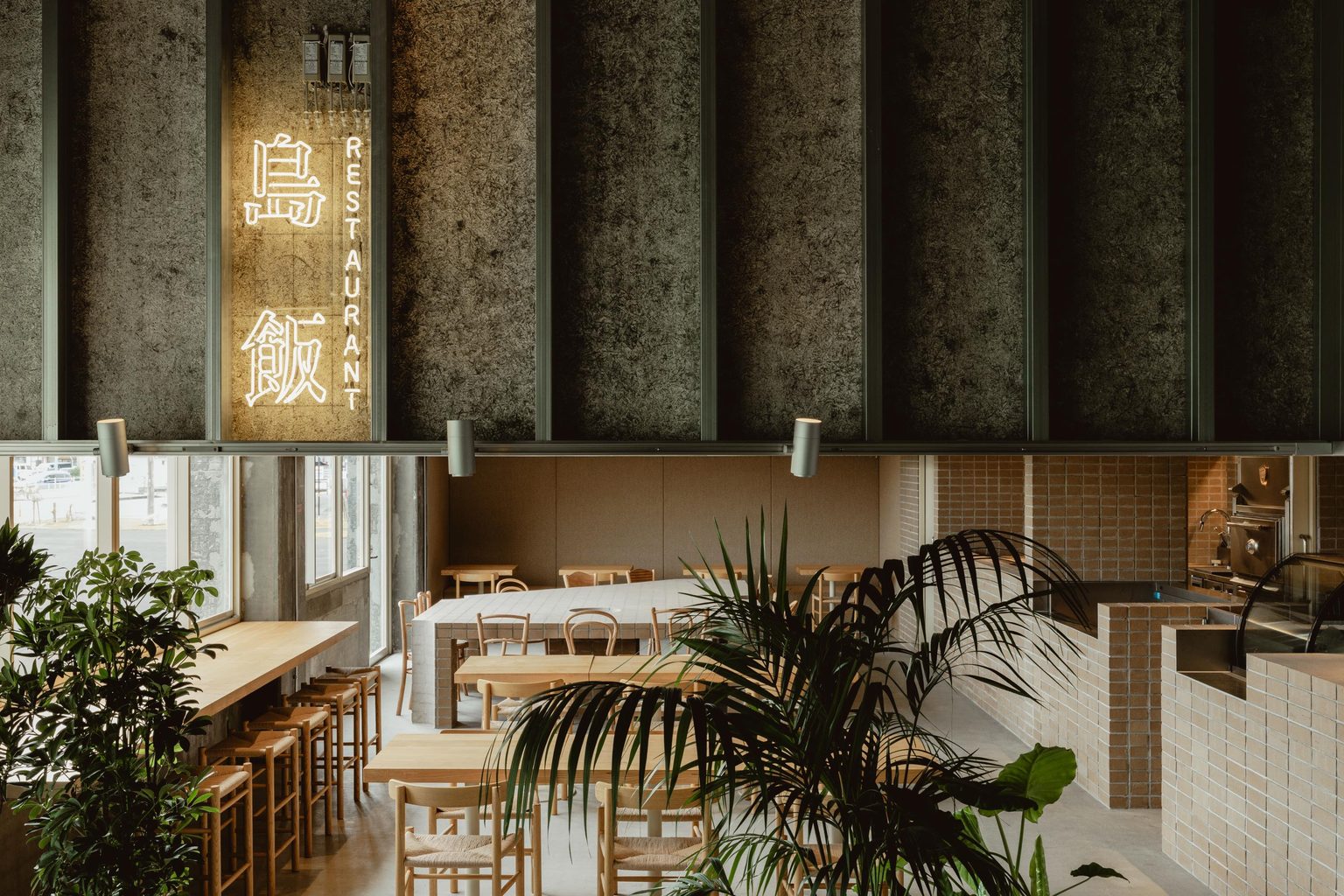
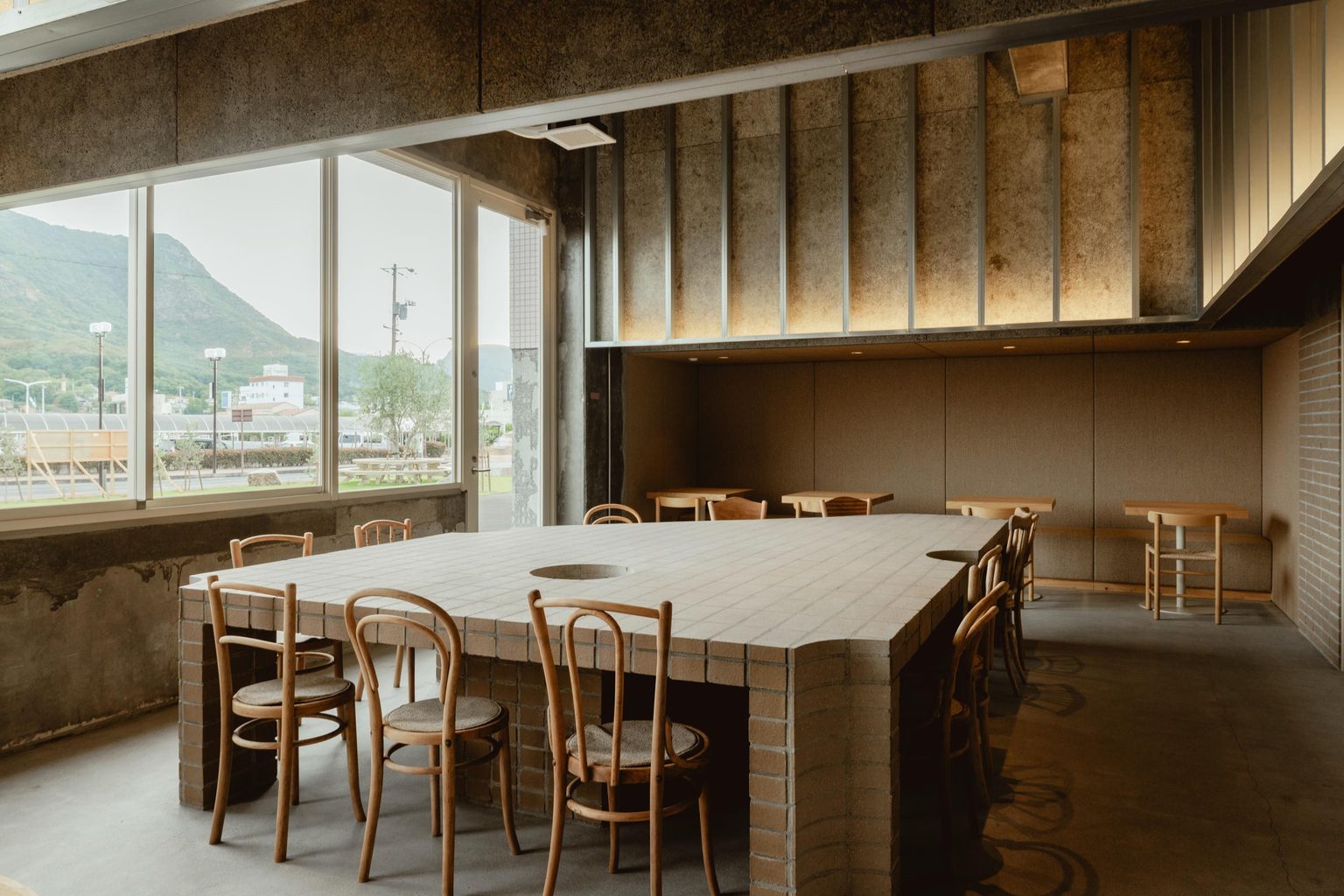
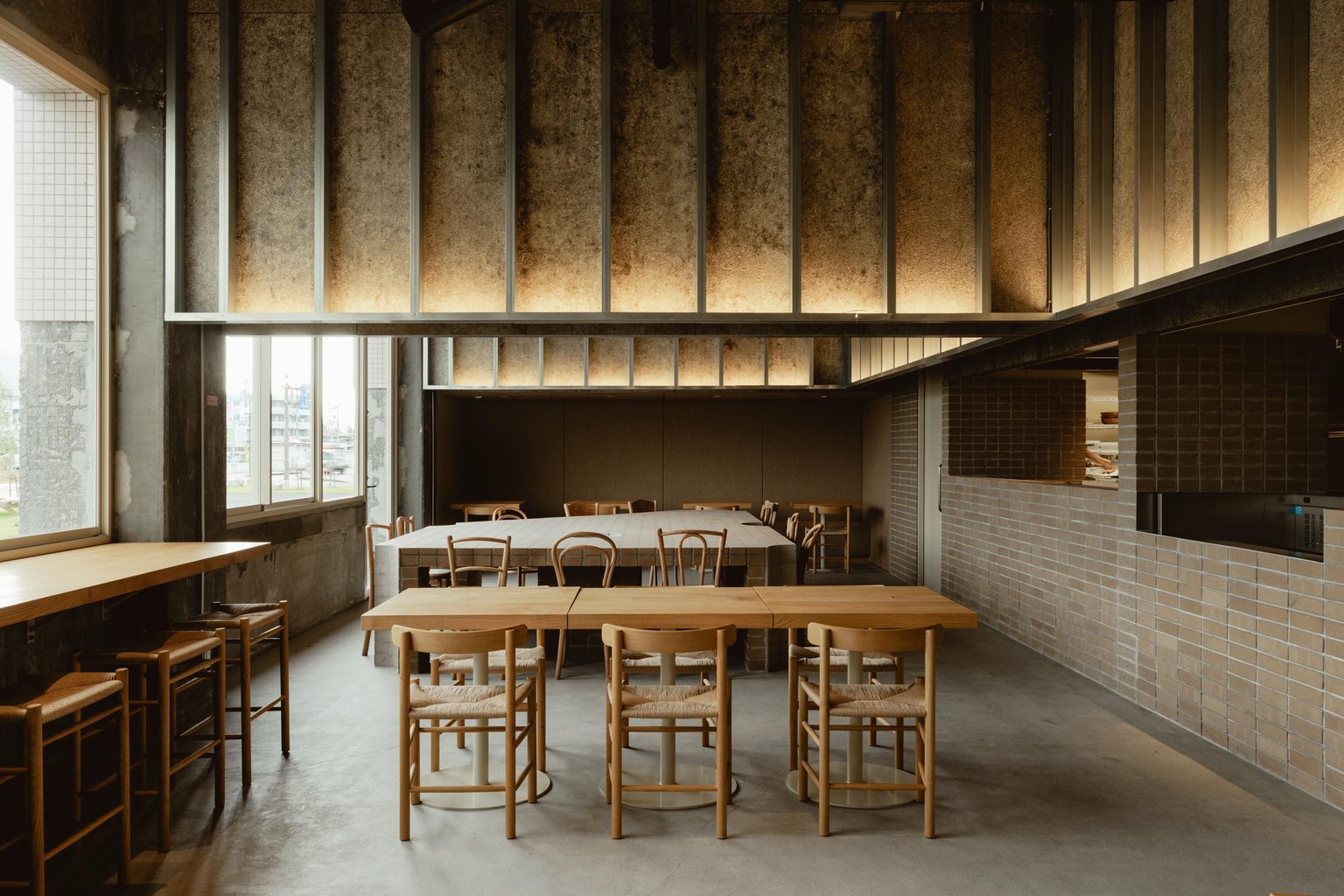
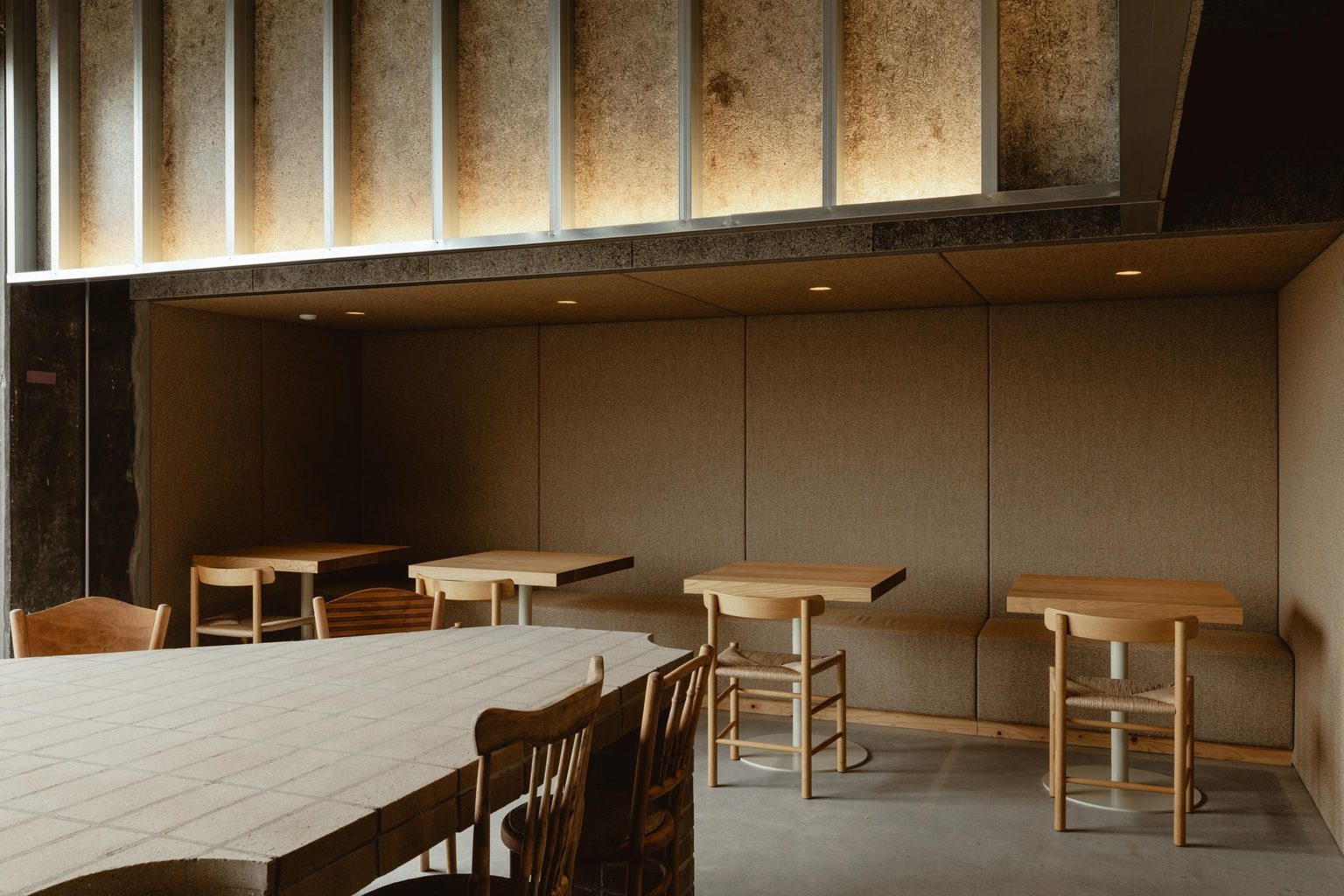
A Large Brick Table
A single table has a way of bringing people together—conversation finds its way naturally to whoever is sitting nearby. With that in mind, a large custom-built table was placed in front of the kitchen. Earthy bricks were stacked one by one, then cut boldly into a cylindrical form. The natural material and curved lines give the space an organic warmth.
A Dropped Wall, Softly Dividing the Space
The dropped wall, required to prevent smoke from spreading in the event of a fire, was deliberately extended to hang 2,100mm above the floor. This height marks where the interior wall materials change, so the dropped wall also serves as a gentle partition between spaces. Each area is furnished with a mix of seating—the large brick table, sofas, and counter seats—allowing guests to spend time in their own way, with the sense of others nearby.
producer


Yoshihito Nagae / SHIKAI FISHERY CO-OPERATIVES
My family’s been fishing since my great-grandfather. We use drift gill netting—letting the net go with the tide and wind. It’s the old way around here. The Seto Inland Sea has good tidal movement, and with shallow and deep spots mixed together, bait fish gather easily and you get fish with really firm flesh. We catch all kinds: hamo, sea bream, octopus, sole, whiting, Akanishi whelk, Gara shrimp, bigfin reef squid. Some of these you just don’t see anywhere else around here, but they’re so good—I really hope people get a chance to try them.


Ryoji Mukai / Mito Farm
On the Mito Peninsula and in the Ikeda area of Shodoshima, we grow five varieties of citrus—including Satsuma mandarin—three varieties of vegetables, and Sanuki Kiwikko kiwi. Our hillside orchards overlooking the sea drain well, and the mineral-rich sea breeze gives the fruit a deep, concentrated flavor. We only harvest after the fruit has fully ripened on the tree, so it reaches you at its very best. Even the everyday scenery here is beautiful—the sea viewed from the mandarin groves never fails to steal my heart.
Instagram:https://www.instagram.com/mito_farm/


Akihiro Miyoshi / Kusakabe Ham Workshop
I started out in meat product development, but everything changed when I encountered free-range pigs being raised here on the island. That led me to start making prosciutto in Kusakabe, my hometown. I work with several types of pork — including free-range pork and Kagawa’s olive-fed pork. I cure the meat with coarse sea salt from the Seto Inland Sea, then ferment it using koji (mold used in fermentation) from the island’s traditional soy sauce breweries—a process that breaks down proteins and draws out the meat’s depth of flavor. Fermentation and aging take one to two years, and it is important not to fight against nature. Shodoshima’s climate works slowly, slowly giving the flavor its depth.
HP:https://shodoshima-ham.com/


Ryuta Shiga / 224winery
Shodoshima was my mother’s hometown—I spent many summers here as a child and always dreamed of living on the island one day. That dream led me to clear wasteland, plant a vineyard, and open the island’s first winery. Our “Shima-Shan” is made from estate-grown grapes through secondary fermentation in the bottle, with no added liqueur, drawing out the grape’s own natural sweetness. Our small-batch “Kaitei Wine” is sunk beneath oyster farms to age on the seabed, where the motion of the waves mellows it slowly. Each bottle surfaces with its own pattern of barnacle growth—no two alike.
HP:https://224winery.com/
info
For detailed reservation information, please visit our booking site.
Opening Hours
| Breakfast | 7:00 AM – 9:30 AM (L.O. 9:00 AM) |
| Lunch | 11:30 AM – 2:00 PM (L.O. 1:30 PM) |
| Café | 2:00 PM – 5:00 PM |
| Dinner | 5:00 PM – 10:00 PM (L.O. 9:30 PM) |
Allergy Information
We are dedicated to ensuring that guests with food allergies can enjoy their time at the table with us, and do our utmost to accommodate every need. For further details, please follow the link below.
〈For Guests with Allergies〉
commons
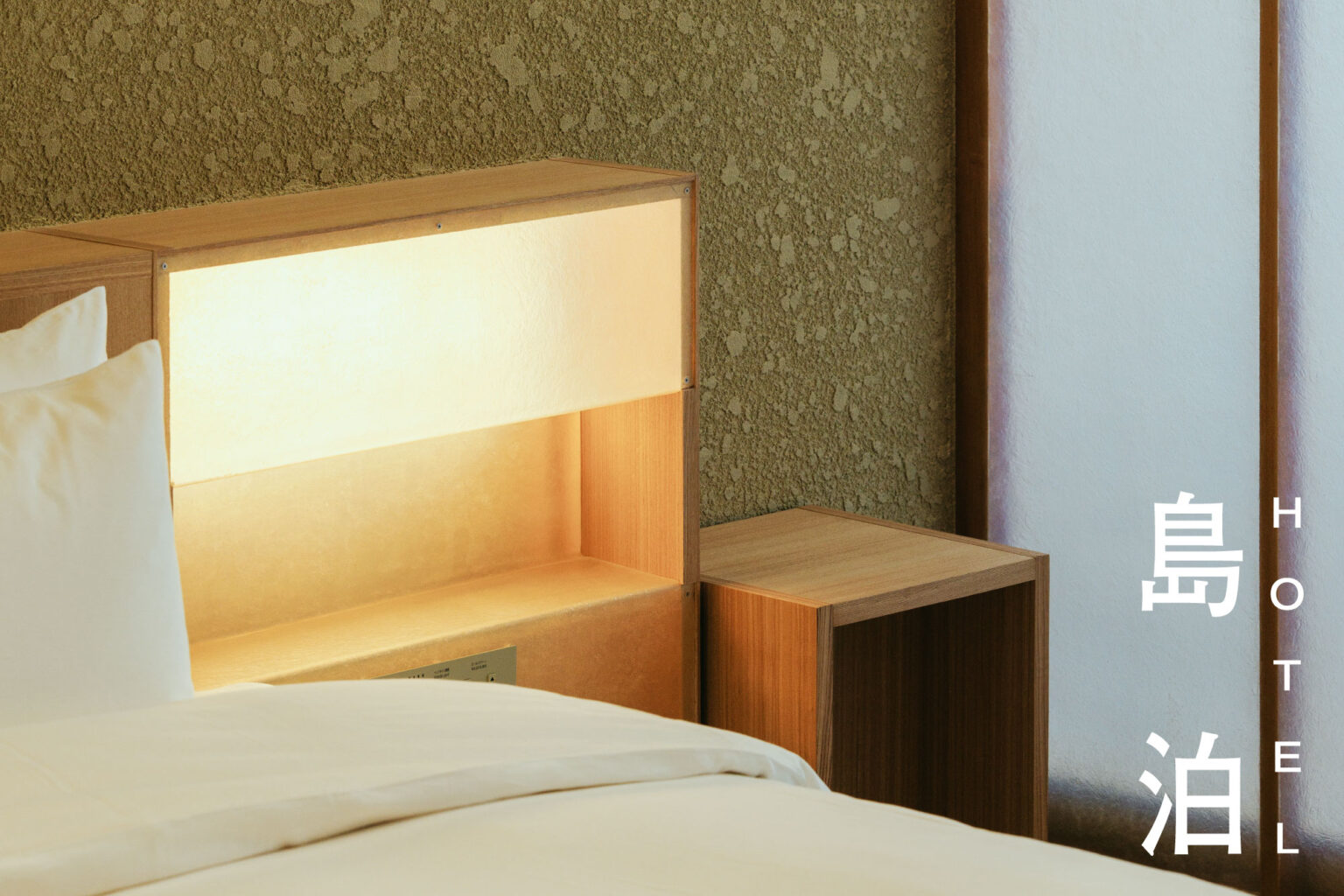
Every door opens onto a distinct world. From floors and ceilings to furniture, each room is shaped by its own design sensibility—a thoughtful collection of spaces for every kind of stay.
For a getaway with someone special, or an extended stay to truly know Shodoshima—we are here with hospitality that stays close to every moment.
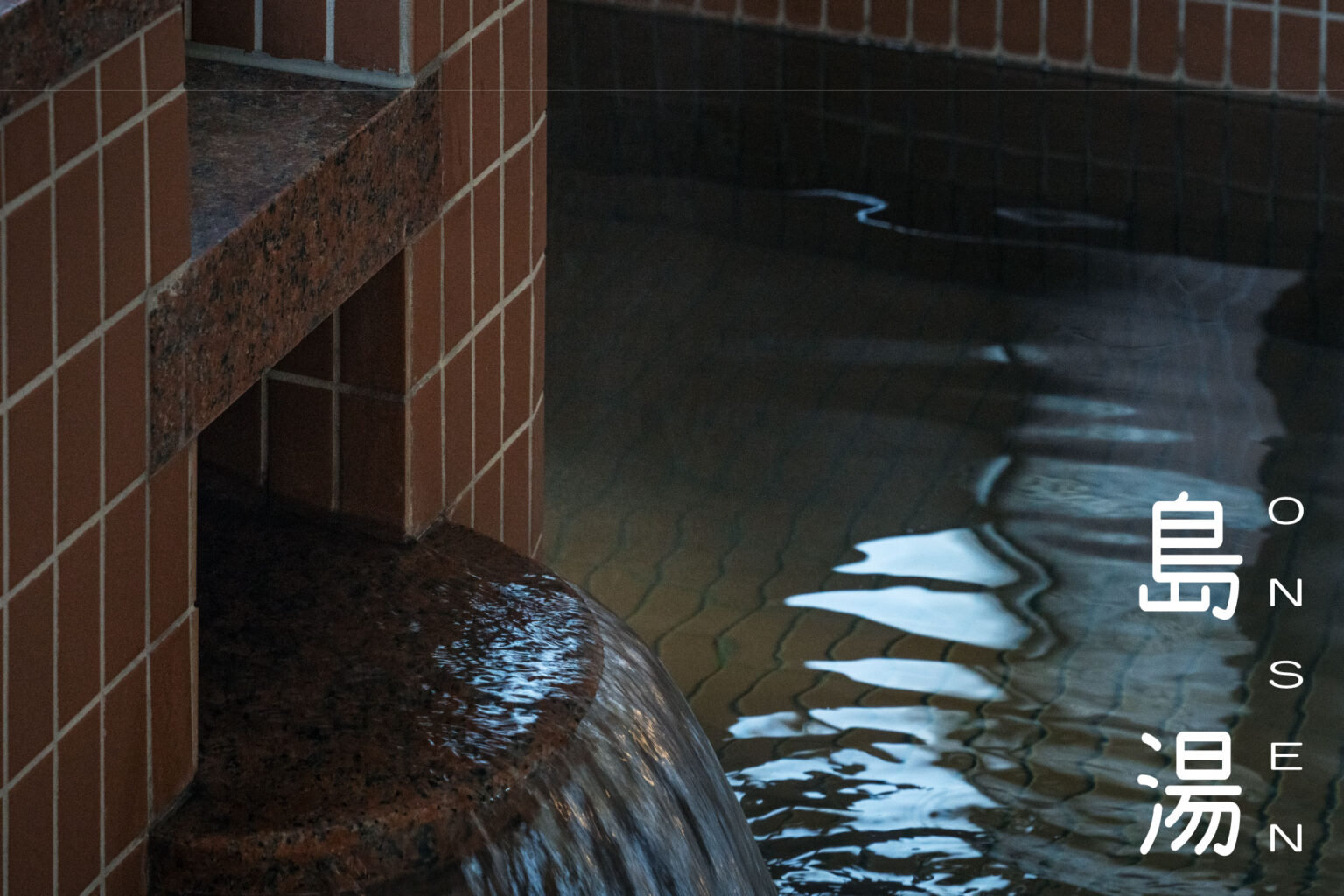
“Shodoshima Onsen Shio-no-Yu” is the first natural hot spring to emerge on Shodoshima. A chloride spring evocative of the island’s heritage of salt production, it has long been embraced by local residents. Rich in sodium and magnesium, the waters condition the skin and warm the body to its core. The löyly sauna and cold plunge deepen the experience, freeing both body and mind.
access
The nearest port is Tonosho Port—Shodoshima’s most connected port on the western side of the island—with ferry links to Takamatsu, Okayama, and Uno (Okayama).
“shimahaku / shimameshi / shimayu” is located beside the port. Step off the ferry among the island’s residents, and a one-minute walk brings you to our door.
Address:shimahaku / shimameshi / shimayu
5165-216 Ko, Tonosho-cho, Shozu-gun, Kagawa 761-4102, Japan
